
Protecting Your Côte d'Azur Home's Plumbing While You're Away
You lock the door, head to the airport, and don't think about your Côte d'Azur home again until your next visit — weeks, sometimes months later. For most second-home owners, that's exactly the appeal: a home that waits for you, no daily upkeep required.
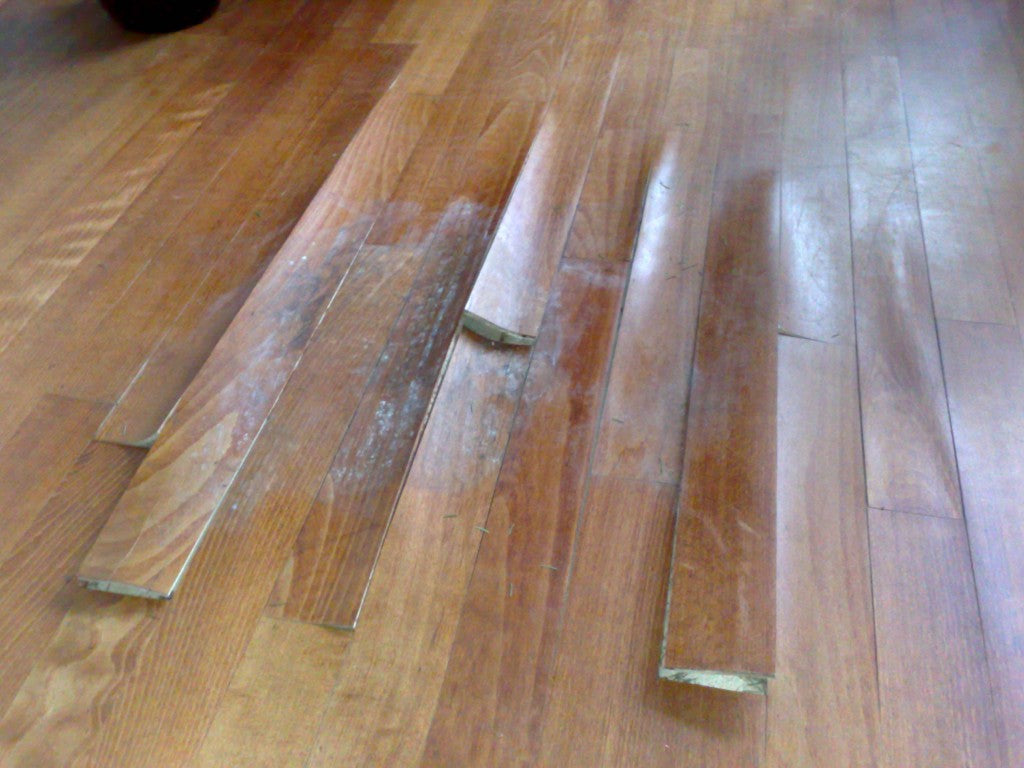
But an empty house is also a vulnerable one. Water damage is one of the most common — and most expensive — problems second-home owners face, and it's almost always discovered too late, after a small leak has had weeks to become a large bill. The good news: most of it is preventable with the right checks before you leave and the right systems in place while you're gone.
Why Empty Homes Are Especially at Risk
A leak in a home you visit daily gets noticed in hours. A leak in a home you visit twice a year can run for weeks before anyone knows — and by then, it's not a repair, it's a renovation.
A few things make French properties specifically worth paying attention to:
- Water pressure. Incoming water pressure in France is often relatively high — 6 bar is considered normal at the mains, and best practice is to regulate it down to around 3 bar at the point of entry with a pressure-reducing valve. Left unregulated, sustained high pressure puts extra strain on pipes, seals, and fittings over time — exactly the kind of slow-building stress that shows up as a failure while no one's there to catch it early.
- Insurance gaps. Many home insurance policies in France include clauses around extended vacancy — damage discovered after a long unoccupied period isn't always covered the same way as damage in a lived-in home. It's worth checking your policy's specific wording on this.
- No one to notice the small signs. A dripping tap, a slowly rising water bill, a faint damp smell — all early warnings that simply go unseen when the house is empty.
Checklist: Before You Leave
A few minutes before departure can save months of stress later.
Decide on your main shut-off. Turning off the main water supply eliminates most leak risk outright — but it also means no water is available for irrigation systems, smart appliances, or a cleaner/caretaker who visits in your absence. Weigh this against how the property is used while you're away.

Check your traps and drains. If a home sits empty for a long stretch, water in the S-bend traps under sinks and drains can slowly evaporate. That water seal is what keeps sewer gas from entering the house — once it's gone, you may return to an unpleasant smell (and it's a sign the plumbing hasn't been "live" in a while). Running each tap briefly before you leave, or having a caretaker do the same partway through your absence, keeps those seals intact.
Exercise your shut-off valves. Valves that go untouched for months can seize up with mineral deposits, especially in areas with harder water. Turn each one open and closed before you leave — a valve that won't turn in an emergency defeats the purpose of having one.
Consider a moisture or leak sensor. Even a basic battery-powered sensor placed near your water heater, under sinks, or near your washing machine can alert you or a local contact the moment water appears where it shouldn't.
The Better Fix: Remote Monitoring and Smart Shut-Off
Checklists help, but they rely on remembering to do them — and on someone being there to catch a problem in real time when you're not.
This is where a smart water system earns its keep for a second home specifically. Rather than choosing between "water fully on, and hope nothing goes wrong" and "water fully off, and lose all convenience," a connected system lets you:
- Monitor water usage remotely, so an unexpected spike (the classic sign of a hidden leak) shows up on your phone, not on your next water bill
- Shut off the water supply remotely if something looks wrong, without needing to call a neighbour or wait for your next visit
- Automate a full water shut-off on a schedule, so the system defaults to "off" between stays without you having to remember
If you're already considering a Quooker system or a CUBE for chilled and sparkling water, it's worth having the same installation conversation cover leak protection and remote shut-off for the rest of the property — it's a natural add-on to a visit from our installation team, and far cheaper than a claim.
Arriving Back: Turning the Water On Safely
When you do arrive, resist the urge to open every tap at full pressure immediately.
- Open the main valve slowly. A sudden full-pressure surge into pipes that have sat empty or under-pressured for months is a common moment for a weak joint to fail.
- Check visible pipework first, particularly under sinks and around your water heater, before running water through the whole house.
- Run taps briefly, one at a time, listening and watching for anything unusual — knocking pipes, discoloured water, or a tap that won't build pressure.
- If anything seems off — pressure that's noticeably low, water that stays cloudy, or a smell that doesn't clear — it's worth having a professional check the system before you assume everything's fine. A short inspection is far cheaper than discovering a problem three months later on your next visit.
We Can Help With This
At Tap-Stars, installation isn't just about the tap itself — it's about making sure the water systems in your home work reliably whether you're there to watch them or not. If you'd like us to build leak protection or remote monitoring into your next installation, or simply want a professional check before your next visit, [get in touch to book a visit].
This article is part of our ongoing series on caring for a Côte d'Azur second home. Read next: [Is Tap Water in France Safe? Understanding Chlorine, Metals & Water Quality].