
Article: Reverse Osmosis Water Taps: Why More Homeowners on the French Riviera Are Exploring Better Drinking Water
Reverse Osmosis Water Taps: Why More Homeowners on the French Riviera Are Exploring Better Drinking Water
From Monaco and Nice to Antibes, Cannes and Saint-Tropez, homeowners are taking a closer look at the water they drink every day. But what exactly does reverse osmosis offer, and is it worth installing?
What is reverse osmosis?
Reverse osmosis, often abbreviated to RO, is an advanced water filtration process that uses a semi-permeable membrane to separate water from a wide range of dissolved substances.
A typical under-sink RO system combines several filtration stages. Depending on its design, these may include sediment filtration, activated carbon, an RO membrane and a final polishing or remineralisation stage.
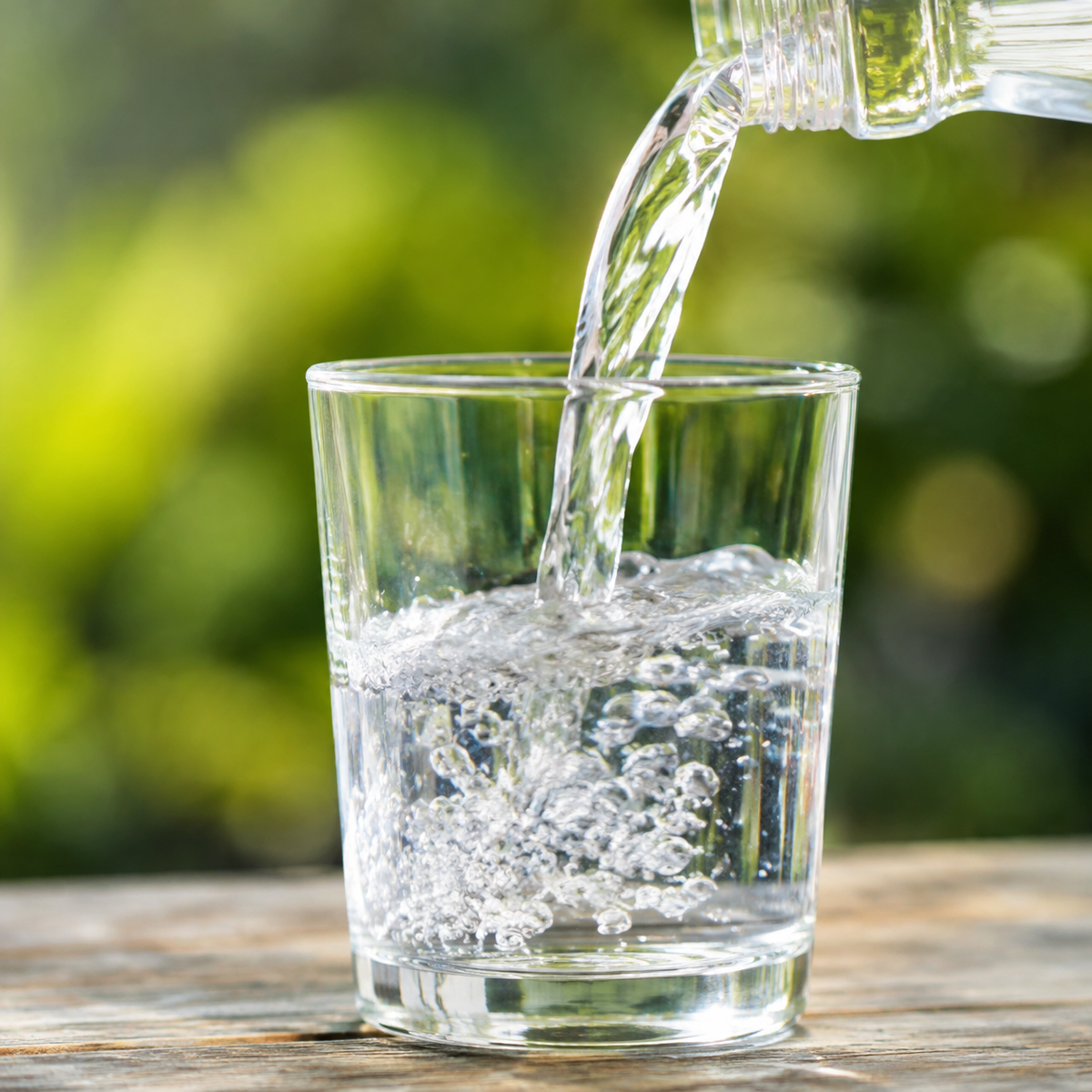
The result is highly filtered drinking water, available directly from a dedicated kitchen tap or a compatible multi-function tap.
Unlike a basic carbon filter, which primarily addresses substances such as chlorine and certain compounds affecting taste and odour, reverse osmosis can also significantly reduce dissolved salts and various other contaminants.
The exact filtration performance depends on the system and its certifications.

Why consider reverse osmosis when French tap water is already safe?
France has strict drinking water regulations, and public tap water is routinely monitored. In most homes connected to a compliant municipal supply, it is safe to drink.
So why install additional filtration?
For many homeowners, the decision is not about making unsafe water safe. It is about improving the everyday drinking-water experience.
Some people dislike the taste or smell of chlorine. Others prefer water with a lower mineral content, particularly for drinking, preparing tea and coffee or filling reusable bottles.
Convenience is another important consideration. Having filtered drinking water available directly from the kitchen tap reduces the need to purchase, transport and store bottled water.
For households that regularly buy bottled water, this can be a particularly attractive change.
The advantages of reverse osmosis
1. Advanced filtration
Reverse osmosis can substantially reduce a broad range of dissolved substances, including certain metals, nitrates and other contaminants.
However, no system should be assumed to remove every contaminant. Buyers should check the manufacturer's independently verified performance claims.
2. A different drinking-water taste
By reducing dissolved minerals and using carbon filtration, RO systems can produce water with a cleaner, more neutral taste.
Taste remains subjective. Some people prefer highly filtered water, while others prefer water with more natural mineral content.
3. Less dependence on bottled water
One of the most practical advantages is convenience.
Filtered water is available whenever needed, without carrying heavy bottles from the supermarket or storing them in the kitchen.
This can also reduce single-use plastic packaging, although the overall environmental benefit depends on water consumption, system efficiency, filter replacement and other factors.
4. Convenient integration into modern kitchens
Many systems are installed discreetly beneath the kitchen sink.
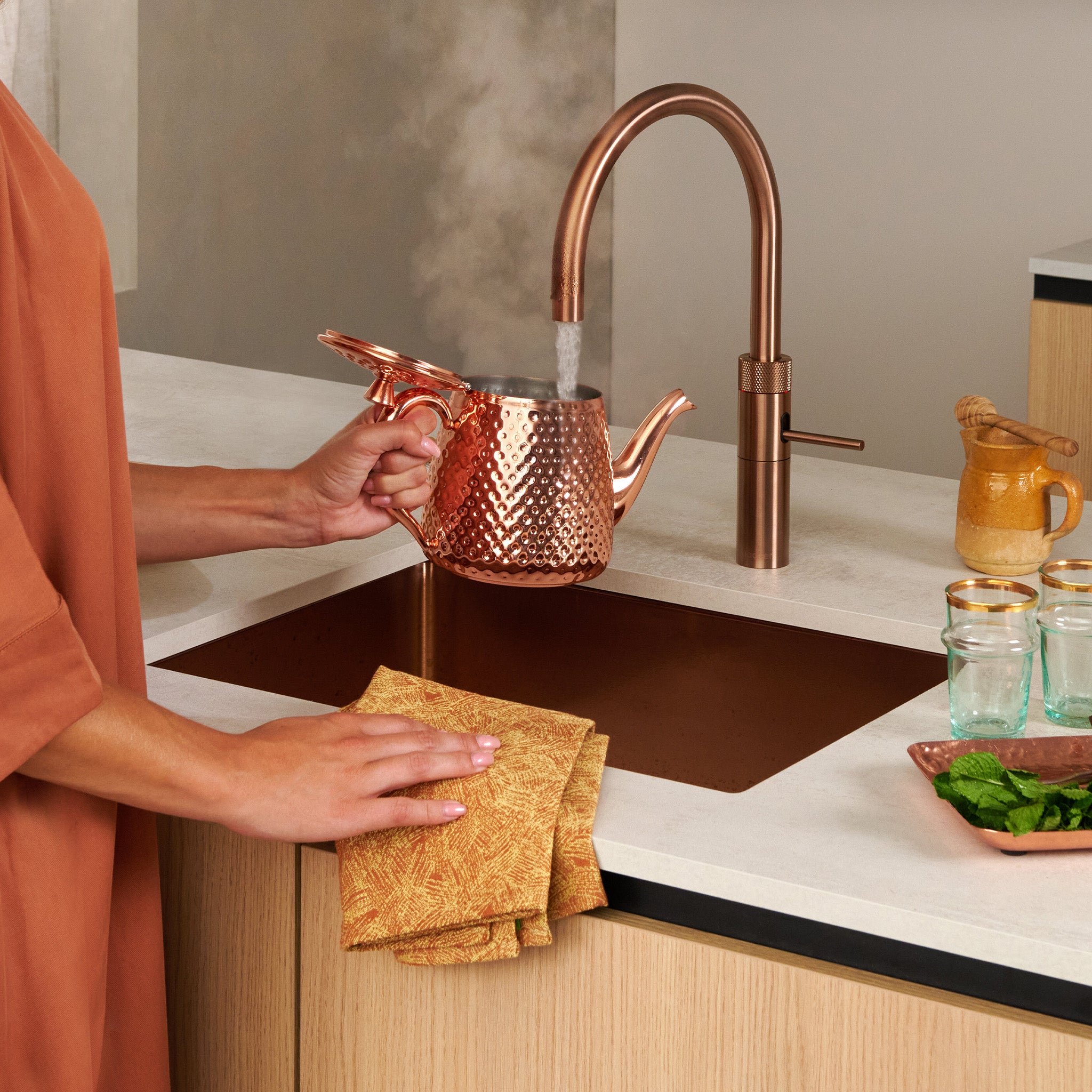
Depending on the model, they can be connected to a dedicated drinking-water tap or integrated with other kitchen-water functions.
This makes reverse osmosis particularly interesting for homeowners renovating their kitchens or looking for a more convenient drinking-water solution.
What are the disadvantages?
Reverse osmosis offers considerable benefits, but it is not necessarily the right solution for every household.
1. Water consumption
RO systems produce a stream of purified water and a separate stream of rejected water containing the substances removed during filtration.
The amount of wastewater varies significantly between systems.
Older or inefficient designs may use several litres of water for every litre of purified water. More efficient systems can considerably reduce this amount.
Water efficiency should therefore be an important consideration, particularly in southern France, where water conservation matters.
2. Maintenance and filter replacement
RO systems require regular maintenance.
Pre-filters, post-filters and membranes must be replaced according to the manufacturer's recommendations and actual water conditions.
Poor maintenance can affect filtration performance and hygiene.
3. Reduced mineral content
Reverse osmosis removes much of the calcium, magnesium and other dissolved minerals naturally present in water.
This is not automatically a health concern for people with a balanced diet, but it changes the mineral composition and taste of the water.
Some systems therefore include a remineralisation stage.
4. Installation costs and space
A complete RO installation generally costs more than a basic carbon-filter system.
It also requires suitable space beneath the sink, an appropriate water supply and a wastewater connection. Some systems need electricity.
5. Hard water can shorten membrane life
This is particularly relevant in parts of the French Riviera.
Calcium deposits can accumulate on the RO membrane, reducing efficiency and potentially shortening its service life.
Where water hardness is high, appropriate pre-treatment may be recommended.
Where is reverse osmosis particularly relevant in southern France?
Interest in advanced kitchen-water solutions can be expected to vary according to local water characteristics, property types and household preferences.
The following areas are especially relevant for homeowners considering reverse osmosis, although publicly available information does not establish a verified ranking of local RO sales growth.
Monaco
Monaco combines high-specification residential properties, international households and considerable attention to kitchen design and convenience.
The Société Monégasque des Eaux reports an average water hardness of approximately 25 °f, meaning that limescale is a relevant consideration.
For Monaco homeowners, RO can be an attractive option for drinking-water taste and convenience, particularly when integrated into a carefully designed kitchen.
Nice, Villefranche-sur-Mer, Beaulieu-sur-Mer and Saint-Jean-Cap-Ferrat
In these areas, kitchen renovation and discreet integration of water-treatment equipment are relevant considerations.
Homeowners may be interested in combining advanced filtration with other convenient kitchen-water features.
However, local water characteristics should always be checked at the specific property rather than assumed from its postcode.
Antibes, Juan-les-Pins, Biot, Valbonne and Mougins
These areas contain a mix of permanent residences, family homes and second homes.
For households regularly purchasing bottled drinking water, an under-sink RO system offers a practical alternative.
Water hardness can also be an important factor when choosing equipment and planning maintenance.
Cannes, Le Cannet and Mandelieu-la-Napoule
Here, reverse osmosis can be considered as part of a broader kitchen upgrade, especially where homeowners want convenient filtered water without additional countertop equipment.
For properties occupied only part of the year, system hygiene, flushing requirements and maintenance arrangements deserve particular attention.
Saint-Tropez, Sainte-Maxime and the Var
Water hardness varies considerably across the Var, with some inland communities experiencing particularly hard water.
This makes a proper assessment of water conditions especially important.
In properties with hard water, the most appropriate solution may combine a drinking-water RO system with separate treatment designed to protect plumbing and appliances from limescale.
Reverse osmosis or a water softener: which do you need?
Although both technologies are used to treat water, they serve different purposes.
Reverse osmosis is primarily designed to produce highly filtered drinking water at a specific point of use, usually the kitchen sink.
A water softener reduces water hardness, typically by exchanging calcium and magnesium ions. It can help protect household plumbing, hot-water systems and appliances from scale formation.
For some homes, a combination of both is appropriate: a water softener for the property's general water supply and reverse osmosis for drinking water.
For others, a simpler carbon-filtration system may already provide the desired improvement in taste.
The right choice depends on the water quality, household needs, installation conditions and budget.
Is reverse osmosis worth it?
Reverse osmosis is particularly worth considering if you:
-
Regularly purchase bottled drinking water.
-
Prefer water with a lower dissolved-mineral content.
-
Want advanced filtration beyond what a basic carbon filter offers.
-
Are renovating your kitchen.
-
Want a convenient source of filtered drinking water.
-
Are prepared to maintain the system properly.
It may be less suitable if your only concern is a mild chlorine taste, if water efficiency is your overriding priority, or if the installation cannot be maintained regularly.
Choosing the right system for your home
At Tap-Stars, we believe the starting point should always be understanding the water entering your property and what you want to improve.
We help homeowners across the Côte d'Azur and Monaco select, install and maintain drinking-water solutions suited to their needs.
Our approach considers filtration performance, water hardness, installation requirements, water efficiency and ongoing maintenance.
Whether you are looking for a premium reverse osmosis system or a more accessible solution for everyday drinking water, we can help you understand the available options.
Better water starts with choosing the right solution.
Discover our water filtration and reverse osmosis solutions at tap-stars.com.
Tap-Stars | Smart Water Solutions
Côte d'Azur & Monaco